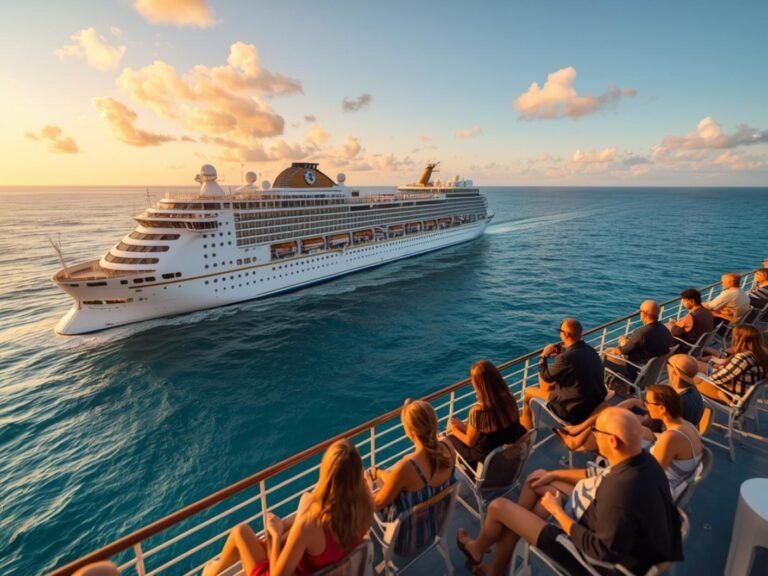
How to grow cruise life with 7 easy steps
How to Plan the Ultimate Cruise Experience for First-Time Travelers
Have you ever dreamed of waking up to a new horizon each morning, with nothing but endless ocean views and adventure awaiting? Embarking on a cruise life offers an unparalleled way to experience multiple destinations while unpacking just once. For those new to the floating vacation concept, planning your first cruise vacation might seem overwhelming, but the all-inclusive nature and convenience make it worth the preparation. With proper planning, you’ll discover why millions of travelers choose this unique form of exploration year after year.
Materials & Supplies
To ensure a smooth sailing experience, gather these essentials before departure:
– Passport and identification (including cruise line documents)
– Weather-appropriate clothing (formal attire for dinner nights)
– Motion sickness remedies (patches, wristbands, or medication)
– Power strip with non-surge protection (cruise-approved)
– Waterproof phone case and day bag
– Sunscreen and after-sun care
– Cash for ports and gratuities
– Portable first aid kit
– Reusable water bottle
– Comfortable walking shoes
Timing / Cruise Schedule

Proper timing plays a crucial role in cruise preparation:
– Booking window: 6-12 months ahead for best prices and cabin selection
– Pre-cruise arrival: Plan to arrive at your departure city one day before sailing
– Embarkation day: Arrive at the terminal 3-4 hours before departure time
– Port days: Usually 8-10 hours in each destination
– Sea days: Full days aboard the ship with scheduled activities
– Disembarkation: Typically begins between 7-9am on the final morning
Most first-time cruisers find 7-day itineraries ideal, offering enough time to experience ship amenities without overwhelming their schedule.
Step-by-Step Instructions

1. Select your ideal cruise line and itinerary
– Research lines based on your travel style (family-friendly, luxury, adventure)
– Consider destination weather patterns and hurricane seasons
– Read reviews from past travelers with similar preferences
2. Book your cruise and secure travel insurance
– Compare cabin locations carefully (midship locations minimize movement)
– Purchase comprehensive travel insurance with medical evacuation coverage
– Consider cruise line transfer packages from airports
3. Complete online check-in
– Fill out passenger information forms at least one week before departure
– Print all boarding documents and luggage tags
– Select your preferred dining time and any pre-bookable experiences
4. Pack strategically for your cruise life
– Use packing cubes to maximize suitcase space
– Bring magnetic hooks for additional storage on metal cabin walls
– Pack a day bag with essentials for embarkation day while luggage is delivered
5. Master the embarkation process
– Arrive at the port during your designated check-in window
– Have documents readily accessible during security screening
– Book any remaining specialty dining or excursions immediately upon boarding
6. Optimize your cruise vacation daily
– Review the daily program each evening for the next day’s activities
– Use the ship’s app to manage reservations and track expenses
– Balance port explorations with onboard relaxation
Benefits / Advantages
The cruise experience offers unique advantages over traditional travel:
– All-inclusive value (accommodations, meals, entertainment, and transportation)
– Convenience of visiting multiple destinations without repacking
– Variety of activities for different interests and age groups
– Opportunity to sample destinations for future extended visits
– Built-in community and social opportunities
– Exceptional service and amenities in a controlled environment
Tips, Alternative Options, or Cruise Advice
Consider these variations to customize your experience:
– Expedition cruises for wildlife and nature enthusiasts
– River cruises for more intimate cultural immersion
– Theme cruises centered around music, food, or special interests
– Repositioning cruises for longer, more affordable journeys
– Mini-cruises (3-4 days) for those testing their sea legs
– Extended cruises (14+ days) for deeper destination exploration
Common Mistakes to Avoid

1. Overlooking hidden costs
– Solution: Budget for gratuities, specialty dining, shore excursions, and drinks
2. Booking shore excursions exclusively through the cruise line
– Solution: Research reputable third-party operators for better pricing
3. Overpacking for limited cabin space
– Solution: Plan mix-and-match outfits and utilize onboard laundry services
4. Missing the ship at ports of call
– Solution: Always return to the ship at least 1 hour before scheduled departure
Storage / Maintenance Tips
Maintain your cruise momentum with these organizational strategies:
– Store important documents in the cabin safe
– Utilize ship’s app for managing daily schedules and reservations
– Keep a small notepad for tracking expenses and memorable experiences
– Organize port day essentials the night before to maximize exploration time
– Maintain a reasonable budget by tracking onboard purchases daily
Conclusion
The magic of a cruise life lies in its perfect balance of adventure and relaxation, exploration and comfort. By following this comprehensive guide, you’ll set yourself up for an unforgettable cruise vacation experience that may well become your preferred travel style. Whether you’re seeking cultural immersion, adventure, or simply a stress-free getaway, cruise travel offers something for everyone. Ready to set sail? Start planning your journey today, and don’t forget to share your experiences with fellow travelers!
FAQs
How much should I budget for gratuities on a cruise?
Most cruise lines suggest $14-18 per person per day, which is often automatically added to your onboard account but can be adjusted.
Do I need a passport for all cruises?
Closed-loop cruises (beginning and ending at the same U.S. port) may not require passports, but having one is strongly recommended for any international travel contingencies.
What happens if I get sick on a cruise?
All ships have medical facilities and staff to handle common illnesses and emergencies, though complex cases may require evacuation at the nearest port.
Is Wi-Fi available on cruise ships?
Yes, but it’s typically slower than land-based connections and comes with additional fees. Consider purchasing packages pre-cruise for better rates.
Can I bring my own alcohol onboard?
Policies vary by cruise line, but most allow 1-2 bottles of wine per stateroom with corkage fees for consumption in dining venues.