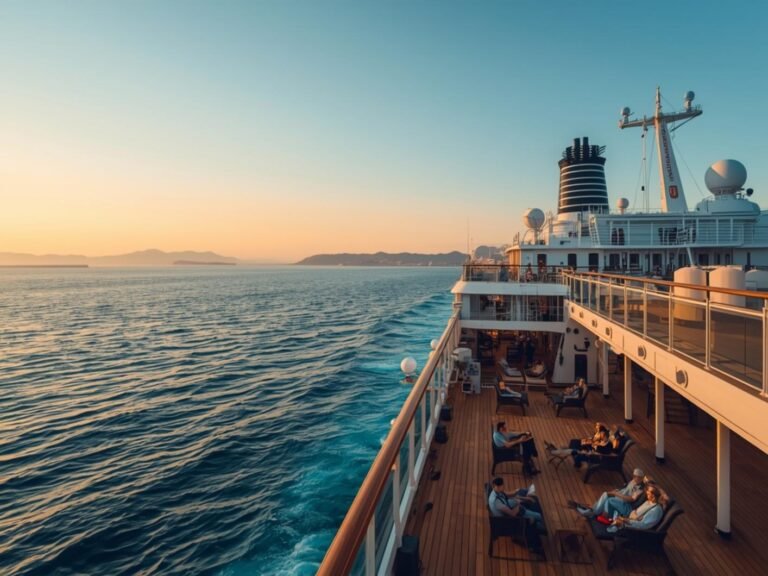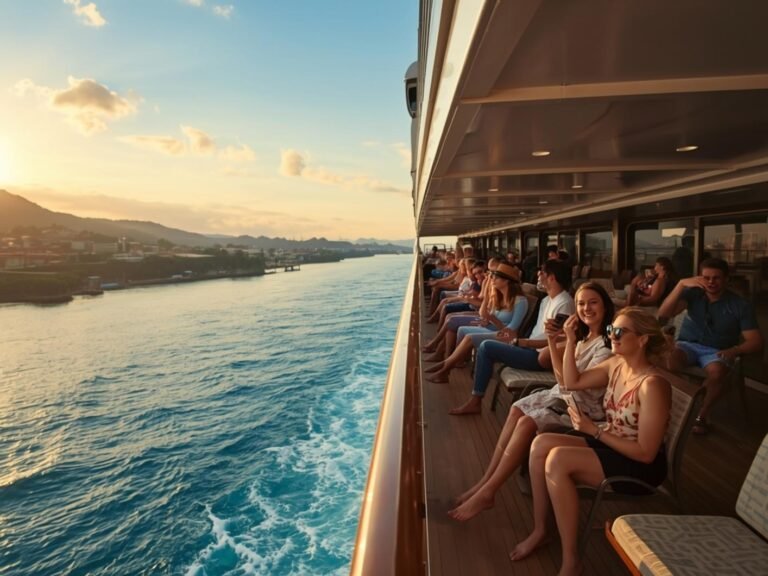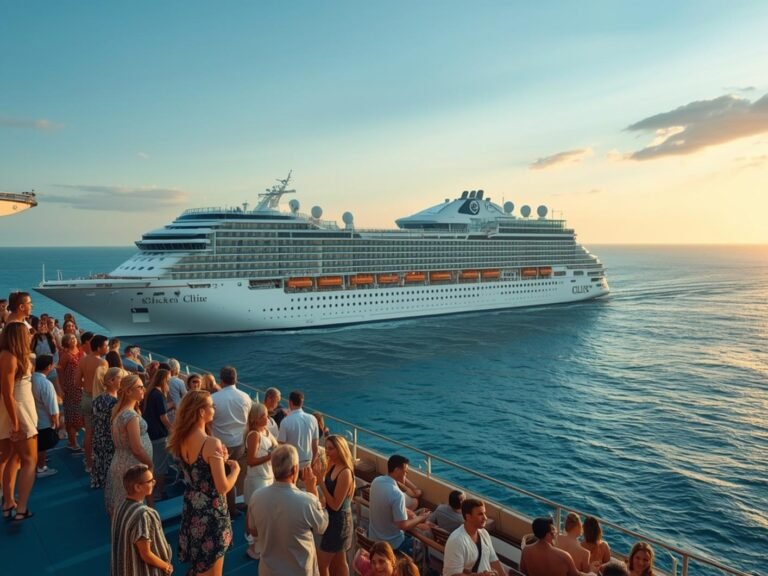
Quick way to grow 7 unforgettable river cruise adventures
The Ultimate Guide to Planning Your Perfect River Cruise Adventure
Have you ever dreamed of gliding past medieval castles, charming villages, and picturesque landscapes while unpacking just once? A river cruise offers this unique travel experience, combining luxury, convenience, and immersive cultural exploration. Unlike ocean cruises, these intimate voyages take you directly into the heart of historic cities and towns.
Table of Contents
The popularity of the european river cruise has soared in recent years, with travelers seeking authentic experiences without the hassle of constant packing and unpacking. Let’s explore everything you need to know to plan the perfect floating journey through Europe’s most beautiful waterways.
Materials & Supplies
To ensure your river cruise adventure goes smoothly, pack these essentials:
– Passport and travel documents (with photocopies)
– Weather-appropriate clothing (including formal attire for captain’s dinners)
– Comfortable walking shoes for excursions
– Adapter plugs and power converters
– Basic medications and first aid supplies
– Binoculars for scenic viewing
– Camera equipment
– Reusable water bottle
– Day pack for excursions
– Travel insurance documentation
– Guidebooks or pre-downloaded information about ports
– Digital entertainment (books, movies) for leisure time onboard
Timing / Cruise Schedule

River cruises typically range from 7 to 21 days, with the most popular option being 7-10 days. The ideal time to book is 6-12 months in advance, especially for peak season (April-October). European rivers are most vibrant during spring for tulip season (Netherlands), summer for optimal weather, and December for Christmas markets. Unlike ocean cruises that may include multiple sea days, river cruises feature daily stops, with ships often sailing during meals or overnight. Most itineraries include a mix of included guided excursions and free time for personal exploration.
Step-by-Step Instructions
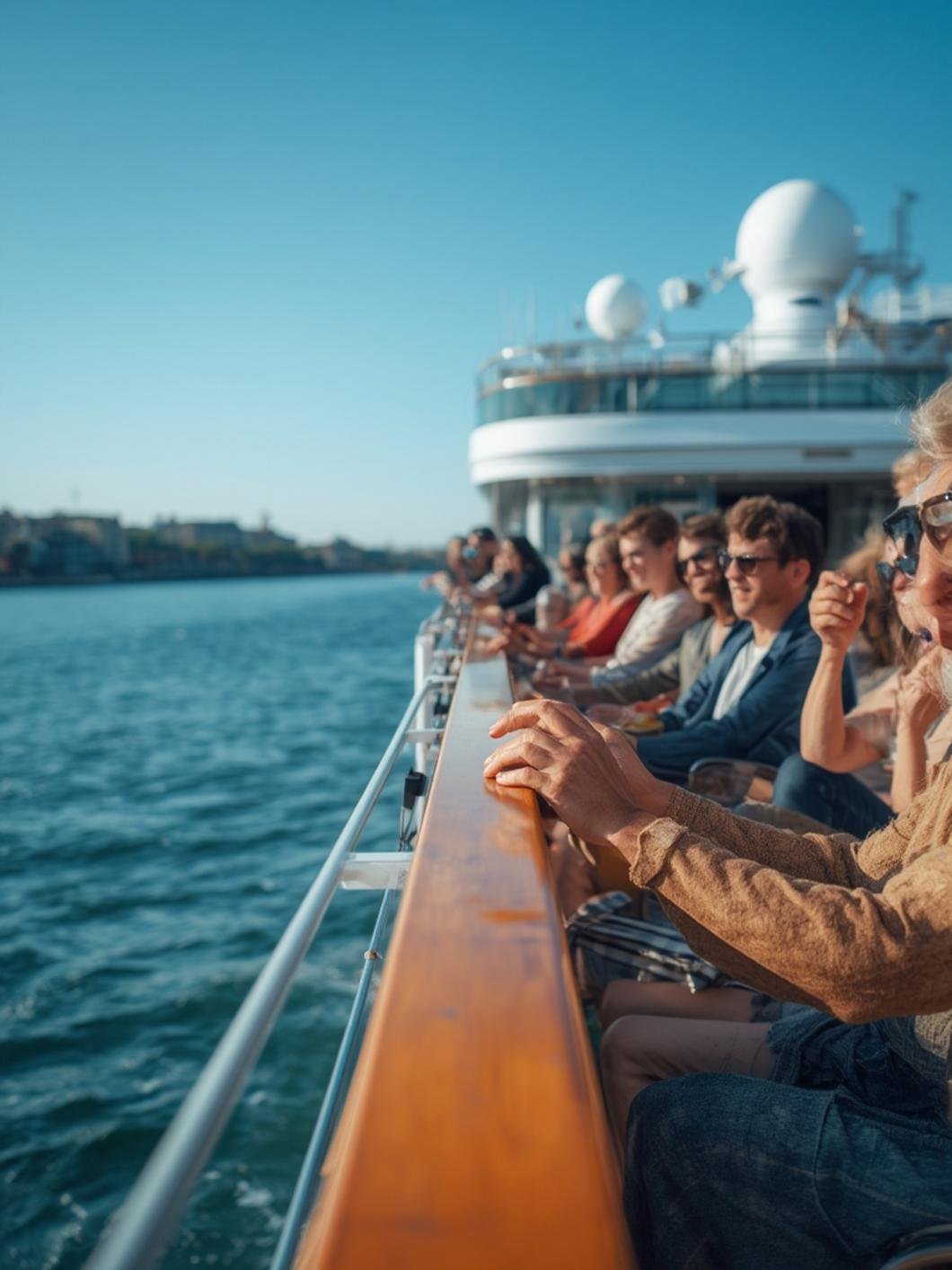
1. Select your river and itinerary: Choose between popular routes like the Rhine, Danube, Seine, or Douro based on your interests. The perfect river cruise should align with your travel goals, whether that’s wine regions, historic sites, or picturesque villages.
2. Choose the right cruise line: Research companies like Viking, AmaWaterways, Avalon, or Uniworld, comparing amenities, inclusions, and price points. Each offers a distinct experience from ultra-luxury to more value-focused options.
3. Book the ideal cabin: Consider location (upper decks offer better views but cost more) and amenities (balconies enhance the european river cruise experience but aren’t essential).
4. Plan pre/post cruise extensions: Add 2-3 days in departure and arrival cities to maximize your travel experience.
5. Research shore excursions: Review included tours and optional extras, booking popular options in advance.
6. Prepare for onboard life: Pack accordingly for the dress code, research onboard amenities, and understand dining arrangements.
7. Organize travel documents: Ensure your passport is valid for at least six months beyond your return date and arrange any necessary visas.
Benefits / Advantages
River cruising offers unique advantages including:
– Unpack once while visiting multiple destinations
– Intimate ships (typically 120-190 passengers)
– Inclusive pricing (most include excursions, Wi-Fi, and beverages)
– Spectacular scenery constantly visible from ship
– Access to inland destinations ocean ships cannot reach
– No seasickness concerns due to calm waters
– Immersive cultural experiences and local cuisine
– Convenient proximity to city centers (most docks are centrally located)
Tips, Alternative Options, or Cruise Advice
Consider these variations to find your perfect fit:
– Theme cruises focusing on wine, Christmas markets, or music
– Active cruises featuring biking and hiking options
– Family-friendly sailings with programming for different generations
– Budget options on older ships or with fewer inclusions
– Luxury options with butler service and extraordinary cuisine
– Combining two sequential itineraries for a more comprehensive journey
– Solo-friendly cruises with reduced or waived single supplements
Common Mistakes to Avoid
1. Ignoring water levels: Research seasonal flooding or drought that might affect itineraries.
2. Overlooking inclusions: Compare what’s included across cruise lines (excursions, drinks, gratuities).
3. Underestimating walking requirements: Many European cities feature cobblestone streets and limited accessibility.
4. Overpacking: Cabins are compact; pack versatile clothing instead.
5. Missing pre-cruise communications: Check emails for schedule changes and important documentation.
Storage / Maintenance Tips
Maximize your onboard experience with these strategies:
– Unpack completely and store luggage under the bed
– Create a daily plan balancing organized excursions with free time
– Keep a small day pack ready for shore excursions
– Maintain digital copies of all important documents
– Track expenses using the ship’s account system
– Stay hydrated and pace yourself with activities
– Document your journey with photos and journals
Conclusion
A river cruise offers one of the most relaxing yet enriching ways to experience Europe’s historic waterways and cultural treasures. By carefully planning your journey, packing appropriately, and embracing both organized excursions and personal exploration, you’ll create memories that last a lifetime. Whether you’re watching the sunrise over Budapest’s Parliament building or sipping local wine in a French village, the european river cruise experience combines convenience with authentic travel experiences. Ready to embark on your floating adventure? Share your river cruise plans in the comments below or explore our related posts on specific European destinations!
FAQs
How do river cruises differ from ocean cruises?
River cruises feature smaller ships (typically 120-190 passengers), more inclusive pricing, daily port stops, and docking positions usually in city centers. They focus more on destinations than onboard entertainment.
What’s typically included in a river cruise fare?
Most river cruises include accommodations, meals, standard shore excursions, WiFi, and some beverages. Premium lines may also include all alcoholic drinks, gratuities, and airport transfers.
Are river cruises suitable for passengers with mobility issues?
River cruises can be challenging for those with significant mobility limitations due to gangways, frequent walking tours on uneven surfaces, and ships with limited elevator access. Some lines offer gentle walking groups.
How much should I budget for a river cruise?
European river cruises typically range from $300-$500 per person per day, with luxury lines reaching $600+. Remember to factor in airfare, optional excursions, and pre/post cruise accommodations.
What happens if water levels are too high or too low for sailing?
During extreme conditions, cruise lines may transport guests by bus between ports, accommodate guests in hotels, or modify itineraries. Research cruise line policies on water level issues before booking.