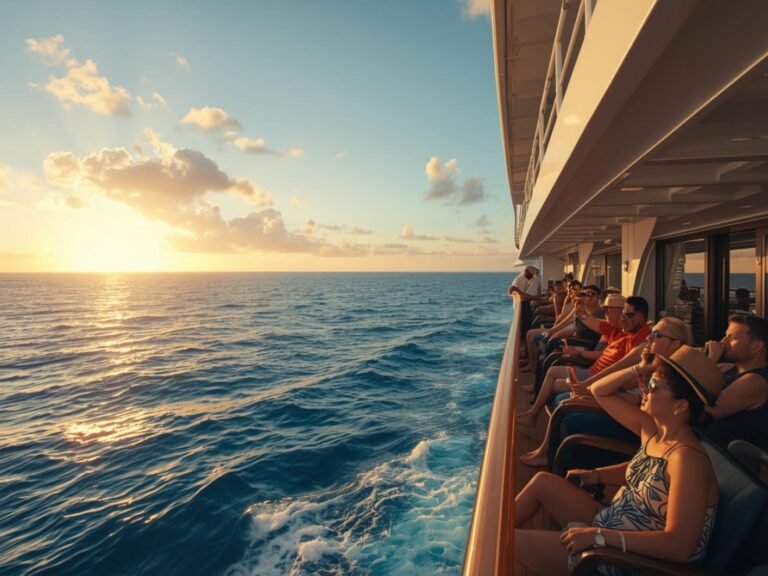
How to Grow 7 Stunning Ocean Liner Vacation Memories
How to Plan the Perfect Cruise Vacation: A Complete Guide
Have you ever dreamed of sailing across crystal-clear waters while enjoying luxurious amenities and breathtaking ocean views? Cruise travel offers one of the most comprehensive vacation experiences available today, combining transportation, accommodation, dining, and entertainment into one floating paradise.
Table of Contents
As an Ocean liner journey differs from typical land vacations, proper planning is essential to maximize enjoyment. Modern travelers often debate the merits of a traditional Cruise ship vacation versus other travel options, but the unique combination of convenience and variety makes cruise travel an unparalleled experience for first-timers and seasoned travelers alike.
Materials & Supplies
To ensure a smooth sailing experience, gather these essential items before departure:
– Passport and identification (including cruise line documentation)
– Appropriate clothing (formal wear, casual attire, swimwear)
– Toiletries and medications (including motion sickness remedies)
– Power adapters and electronics
– Waterproof phone case or bag
– Cash for ports of call and gratuities
– Daypack for shore excursions
– Sunscreen and sunglasses
– Light jacket or sweater (ships can get chilly)
– Comfortable walking shoes
Timing / Cruise Schedule
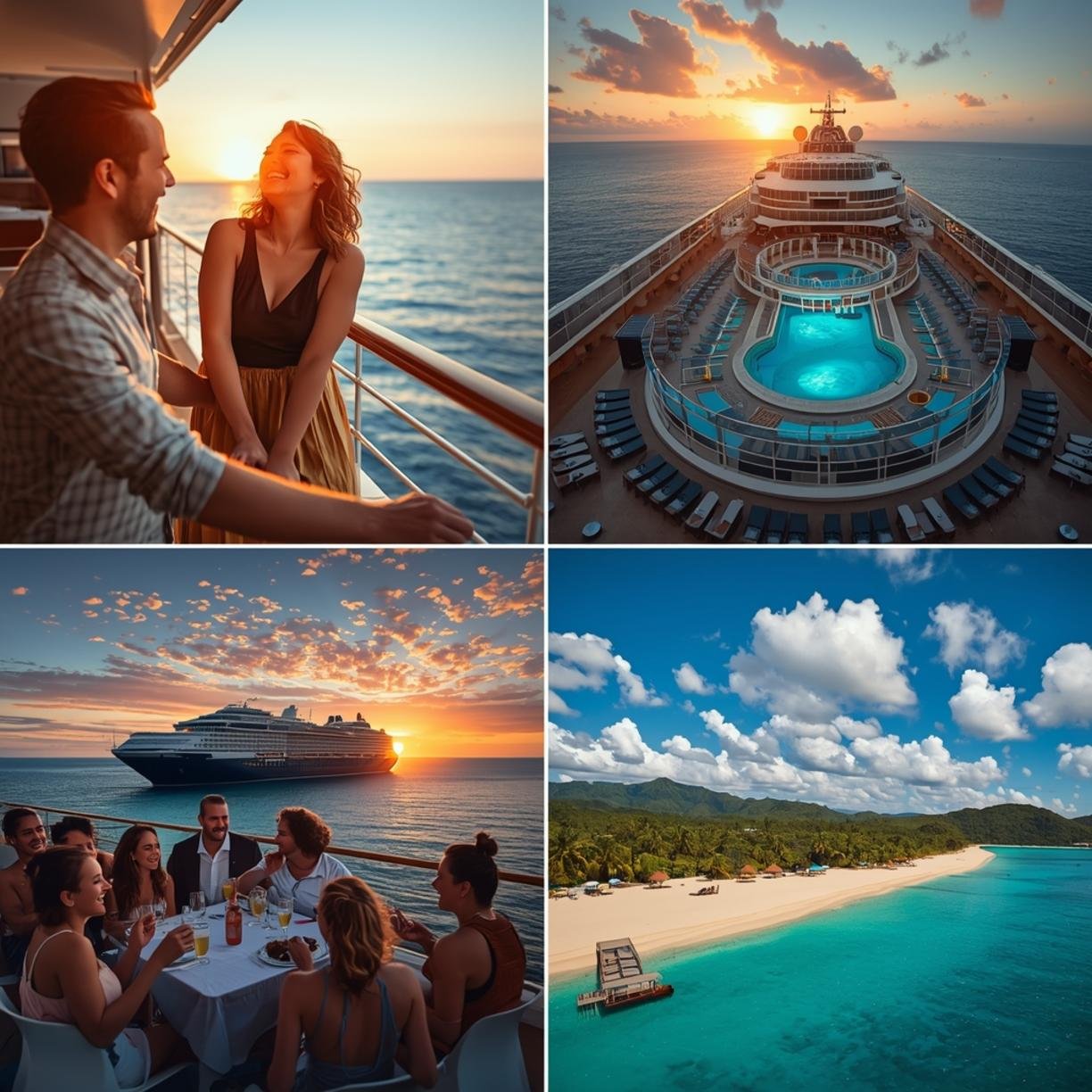
Most cruise itineraries range from 3-14 days, with Caribbean and Mediterranean routes being most popular. For first-time cruisers, a 5-7 day journey provides an ideal introduction. Plan to arrive at your departure port city at least one day before sailing to avoid potential travel delays. Typical cruise schedules include:
– Embarkation day: 12:00 PM – 4:00 PM boarding
– Sea days: Full days of onboard activities and entertainment
– Port days: 8:00 AM – 5:00 PM in destinations (varies by port)
– Disembarkation day: Typically complete by 10:00 AM
Booking 6-12 months in advance often secures the best rates and cabin selection, with last-minute deals occasionally available 60-90 days before departure.
Step-by-Step Instructions
1. Research cruise lines and itineraries: Each Ocean liner company offers different experiences—luxury lines like Crystal or Seabourn focus on personalized service, while Royal Caribbean and Carnival provide family-friendly entertainment.
2. Select your cabin type: Interior cabins are budget-friendly, oceanview cabins offer natural light, balcony rooms provide private outdoor space, and suites deliver premium amenities.
3. Book your Cruise ship vacation: Use a travel agent specializing in cruises or book directly through cruise line websites.
4. Plan shore excursions: Book through the cruise line for convenience or independently for cost savings (research thoroughly).
5. Complete online check-in: Most cruise lines allow this 30-90 days before sailing.
6. Pack strategically: Remember formal nights require appropriate attire while day activities need casual clothing.
7. Arrive at the port early: Boarding day crowds peak at midday—arrive early for a smoother experience.
8. Explore the ship immediately: Familiarize yourself with dining venues, entertainment options, and ship layout on the first day.
Benefits / Advantages
Cruise vacations offer exceptional value and convenience:
– All-inclusive pricing covers accommodation, meals, and entertainment
– Visit multiple destinations without repacking
– Variety of activities suitable for all ages and interests
– Exceptional dining options from casual to fine dining
– Simplified vacation planning with structured itineraries
– Opportunity to socialize with fellow travelers
– Built-in entertainment including Broadway-style shows and activities
Tips, Alternative Options, or Cruise Advice
Consider these variations to customize your cruise experience:
– River cruises offer more intimate experiences with cultural immersion
– Expedition cruises focus on adventure and exploration in remote locations
– Theme cruises cater to specific interests like music, food, or wellness
– Repositioning cruises offer unique itineraries at reduced prices
– Consider shoulder-season cruising (April-May or September-October) for fewer crowds and better rates
Common Mistakes to Avoid
1. Over-packing: Cabins have limited storage space—pack versatile items and plan to do laundry on longer cruises.
2. Missing the boat: Ships operate on strict schedules and won’t wait for late passengers.
3. Ignoring the daily program: This publication outlines all activities and important information.
4. Booking shore excursions last-minute: Popular options sell out quickly.
5. Forgetting about additional costs: Budget for gratuities, specialty dining, drinks, and port activities.
Storage / Maintenance Tips
Optimize your cruise experience with these organizational strategies:
– Store valuables in the in-room safe
– Bring magnetic hooks for hanging items on metal cabin walls
– Unpack completely upon arrival for a more organized stay
– Keep a small daypack ready for port days
– Maintain digital copies of important documents
– Track onboard expenses through the cruise line’s app or account system
Conclusion
Planning a successful Ocean liner vacation requires attention to detail but rewards travelers with an unmatched combination of relaxation, adventure, and convenience. From selecting the perfect Cruise ship to maximizing your time both on board and in port, these guidelines will help ensure your voyage exceeds expectations. Start planning your cruise getaway today and discover why this unique vacation style continues to grow in popularity among travelers worldwide. Don’t forget to share your own cruise experiences and tips in the comments below!
FAQs
How much should I budget for a cruise vacation?
Base cruise fares typically range from $100-300 per person per day, plus gratuities ($14-20 daily), shore excursions ($50-200 each), specialty dining ($20-50 per meal), and beverages if not included.
Do I need a passport for a cruise?
Most international cruises require passports. Closed-loop cruises (beginning and ending at the same U.S. port) may allow U.S. citizens to travel with birth certificates and photo ID, but a passport is recommended.
How can I avoid seasickness?
Book a mid-ship cabin on a lower deck, use over-the-counter medications like Bonine or Dramamine, wear acupressure wristbands, and stay hydrated.
What’s included in a typical cruise fare?
Standard cruise fares include accommodation, basic dining (main restaurant and buffet), entertainment, and access to pools and fitness centers. Specialty dining, alcoholic beverages, gratuities, and shore excursions typically cost extra.
When is the best time to book a cruise?
Book during “wave season” (January-March) for promotions, 12-18 months in advance for best cabin selection, or 60-90 days before sailing for potential last-minute deals.