How to Grow a Stunning Cruise Life with 7 Simple Habits
Have you ever wondered what it would be like to wake up to a different ocean view every morning? Embarking on a cruise life adventure offers a unique combination of luxury, convenience, and exploration that few other travel experiences can match.
Table of Contents
The allure of a cruise ship experience lies in its all-inclusive nature, where your accommodation, transportation, meals, and entertainment sail with you from destination to destination. Whether you’re a first-time cruiser or a seasoned sailor, understanding how to plan and maximize your floating vacation can transform a simple trip into an unforgettable journey across the seas.
Materials & Supplies
To ensure your voyage goes smoothly, gather these essentials before departure:
1. Travel Documents: Passport, visa (if required), cruise tickets, boarding passes, and travel insurance
2. Luggage: A mix of formal and casual attire, including swimwear and comfortable walking shoes
3. Toiletries: Personal care items, sunscreen, motion sickness remedies, and first-aid supplies
4. Electronics: Camera, phone, chargers, power adapters, and waterproof cases
5. Cruise Accessories: Lanyard for room key, water bottle, day bag, and binoculars
6. Cash and Cards: Small denominations for port excursions and tipping, plus credit cards
7. Entertainment: Books, tablets, headphones, and journal for capturing memories
Timing / Cruise Schedule
Most cruise vacations follow a predictable timeline that helps passengers prepare appropriately:
- Booking Window: 6-12 months before sailing (optimal for best prices and cabin selection)
- Pre-Cruise Planning: 3-6 months (excursion booking, dinner reservations, spa appointments)
- Embarkation Day: Allow 2-3 hours for check-in and boarding procedures
- Cruise Duration: Typically ranges from 3-14 days (7-day cruises are most popular)
- Daily Schedule: Morning port arrivals (8-9 AM), afternoon departures (4-6 PM), evening entertainment
- Disembarkation: Usually complete by 10 AM on the final day
Unlike land-based vacations where transportation might consume entire days, cruises maximize your vacation time with overnight sailing between destinations.
Step-by-Step Instructions
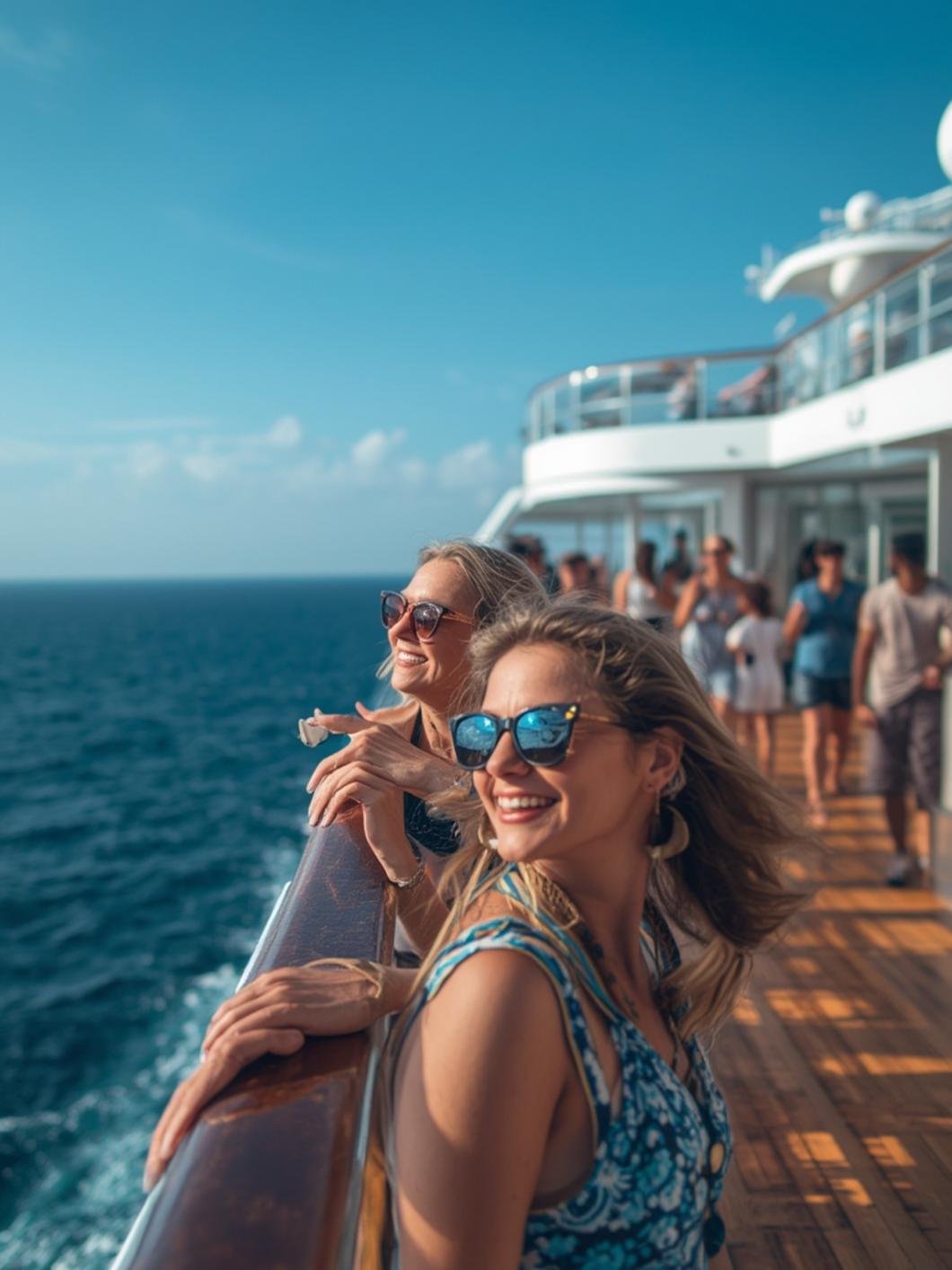
1. Research and Select Your Cruise
* Compare cruise lines based on your travel style and preferences
* Consider destination, duration, and onboard amenities
* Read reviews from previous passengers
2. Book Your Voyage
* Choose your cabin carefully based on location and amenities
* Consider booking through a travel agent for potential perks and assistance
* Review cancellation policies and purchase travel insurance
3. Pre-Cruise Preparation
* Complete online check-in as soon as available
* Book shore excursions, specialty dining, and entertainment in advance
* Research ports of call and create a rough itinerary
4. Packing Strategy
* Check the dress code for your specific cruise life requirements
* Pack for varied activities and weather conditions
* Include formal attire if your cruise ship experience includes elegant nights
5. Embarkation Day
* Arrive at the port early to avoid lines
* Have documents easily accessible
* Pack essentials in a carry-on bag as main luggage may be delivered later
6. Maximize Onboard Experience
* Attend the welcome orientation to learn about ship amenities
* Study the daily program for activities and events
* Make reservations for specialty restaurants early
7. Port Day Strategy
* Plan to return to the ship at least 1 hour before departure
* Consider independent exploration versus organized excursions
* Bring only necessities to ports (passport copy, limited cash, camera)
Benefits / Advantages
The floating resort lifestyle offers numerous benefits:
- Value: All-inclusive pricing covers accommodation, transportation, meals, and entertainment
- Convenience: Unpack once while visiting multiple destinations
- Variety: Activities range from relaxation to adventure for all ages and interests
- Social Opportunities: Meet fellow travelers through shared experiences and group activities
- Culinary Exploration: Sample diverse cuisines without additional restaurant research
- Simplified Planning: Reduced logistical concerns about transportation and accommodations
Tips, Alternative Options, or Cruise Advice
- Cruise Types to Consider:
* Expedition cruises for adventure enthusiasts
* River cruises for more intimate experiences and cultural immersion
* Theme cruises focusing on music, food, or special interests
* Luxury cruises for premium service and amenities
- Budget Considerations:
* Shoulder season cruises offer significant savings
* Interior cabins provide the same ship experience at lower costs
* Drink packages may save money depending on consumption habits
* Book excursions independently for potential savings
Common Mistakes to Avoid

1. Overpacking: Cabins have limited storage space; pack versatile items
2. Missing the Ship: Always monitor ship departure times and allow buffer time
3. Overlooking Hidden Costs: Budget for gratuities, specialty dining, and shore excursions
4. Ignoring Ship Location When Booking: Mid-ship cabins minimize motion, lower decks reduce elevator wait times
5. Not Exploring the Entire Ship: Many passengers miss hidden venues and quieter spaces
Storage / Maintenance Tips
- Cabin Organization: Use magnetic hooks on metal walls for additional storage
- Activity Management: Balance scheduled activities with relaxation time
- Budgeting Onboard: Track expenses through the cruise app or daily statements
- Digital Organization: Download cruise line apps before sailing for maps, schedules, and reservations
- Post-Cruise Follow-Up: Submit reviews, organize photos, and join cruise line loyalty programs
Conclusion
Embracing the cruise life offers an unparalleled vacation experience combining luxury, convenience, and adventure in a floating paradise. With proper planning and these insider tips, your cruise ship experience can transform from a simple vacation into a lifelong memory of spectacular sunsets, international exploration, and carefree enjoyment. Whether you’re seeking relaxation, adventure, or cultural immersion, the world of cruising offers something for everyone. Ready to set sail? Start planning your voyage today and discover why millions of travelers return to cruising year after year.
FAQs
How much should I budget for gratuities and additional expenses?
Most cruise lines suggest $12-15 per person per day for gratuities. Additionally, budget $50-100 per port for excursions and $10-15 per day for additional onboard expenses like specialty coffees or premium dining.
Is cruising suitable for families with young children?
Absolutely! Many cruise lines offer dedicated children’s programs, family-friendly entertainment, and accommodations designed for families. Look for ships with water parks, kids’ clubs, and family dining options.
How can I prevent motion sickness on a cruise?
Book a mid-ship cabin on a lower deck, use over-the-counter medications like Bonine or Dramamine, wear acupressure bands, and keep your eyes on the horizon when feeling symptoms.
What’s the dress code on most cruises?
Most cruises feature casual attire during the day and smart-casual in the evenings. Many mainstream cruises include 1-2 formal or elegant nights where dressier attire is encouraged but rarely strictly enforced.
Is Wi-Fi available on cruise ships?
Yes, but it’s typically slower than land-based connections and comes with an additional fee. Consider purchasing a package before sailing for discounted rates, or embrace the digital detox during your vacation.