How to Grow Your Adventure with 7 River Cruise Options
How to Plan the Ultimate River Cruise Adventure for Unforgettable Travel Experiences
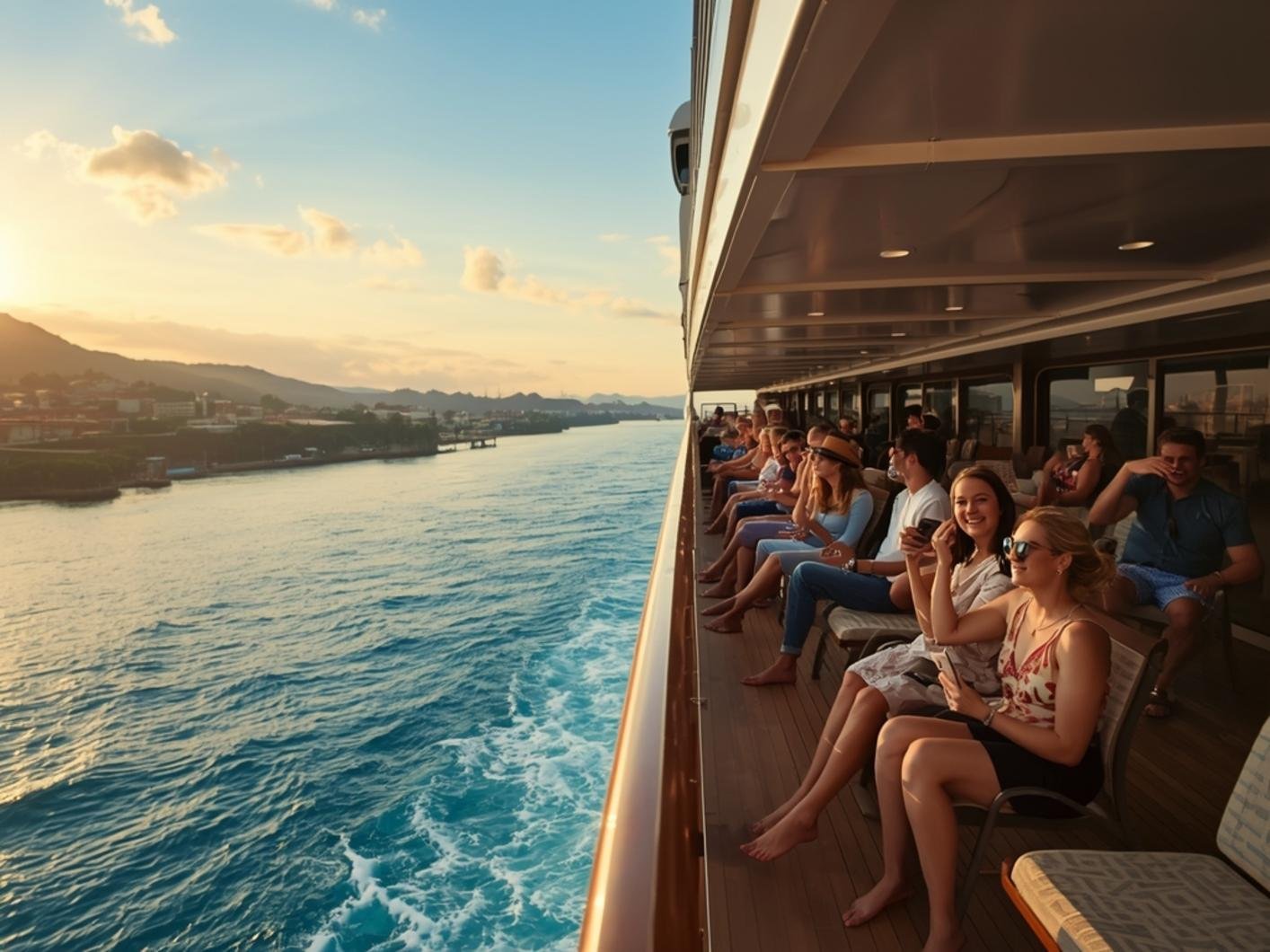
Have you ever dreamed of gliding peacefully through historic European towns while unpacking just once and waking up to a new destination each morning? A River cruise offers exactly this magical experience, combining luxury, convenience, and cultural immersion in one unforgettable journey. Unlike ocean cruises, a European river cruise takes you through the heart of countries, directly into historic city centers, and provides intimate views of landscapes impossible to see any other way.
Table of Contents
The growing popularity of these floating boutique hotels isn’t surprising – they deliver an effortless way to experience multiple destinations without the hassle of constant packing and transportation logistics.
Materials & Supplies
To ensure your river voyage goes smoothly, pack these essentials:
- Passport and visas (check requirements for all countries on your itinerary)
- Travel insurance documentation
- Comfortable walking shoes (for cobblestone streets and daily excursions)
- Layerable clothing (temperatures can vary throughout the day)
- Formal outfit for captain’s dinner (check your cruise line’s dress code)
- Medications and first aid supplies
- Power adapters and converters
- Binoculars for scenic viewing
- Reusable water bottle
- Daypack for excursions
- Rain jacket or compact umbrella
- Camera equipment
- Cruise line app (if available) downloaded before departure
Timing / Cruise Schedule
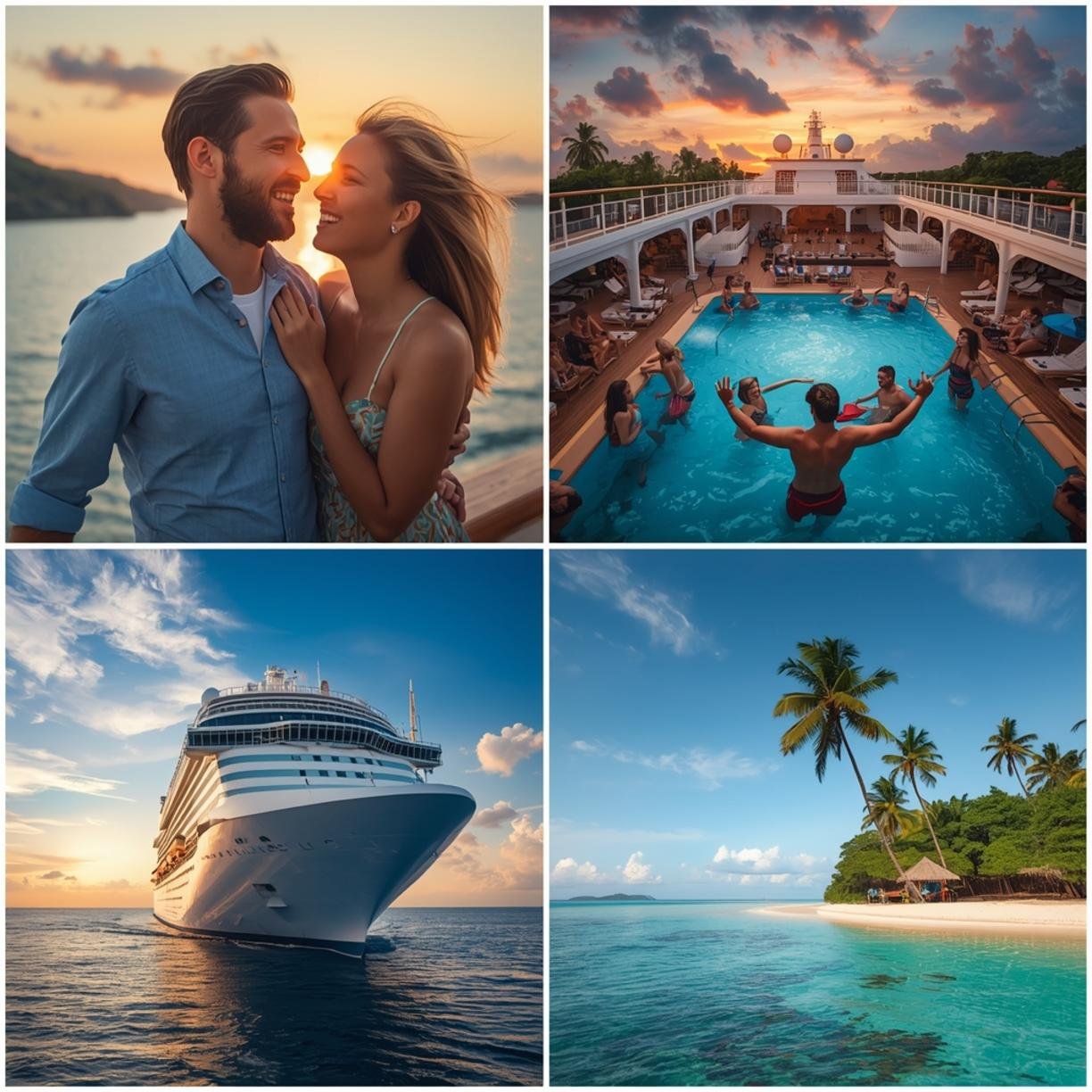
Most European river cruises run between 7-15 days, with the sweet spot being 10-day itineraries that allow enough time to truly experience each region. Unlike ocean cruises that might include sea days, river voyages typically dock each day, maximizing your destination time. The cruising season generally runs from April through October, with Christmas market cruises in December being increasingly popular.
Book your cruise 9-12 months in advance for the best cabin selection and rates. Plan to arrive at your embarkation city at least one day early to account for potential travel delays and to adjust to the time difference before boarding.
Step-by-Step Instructions
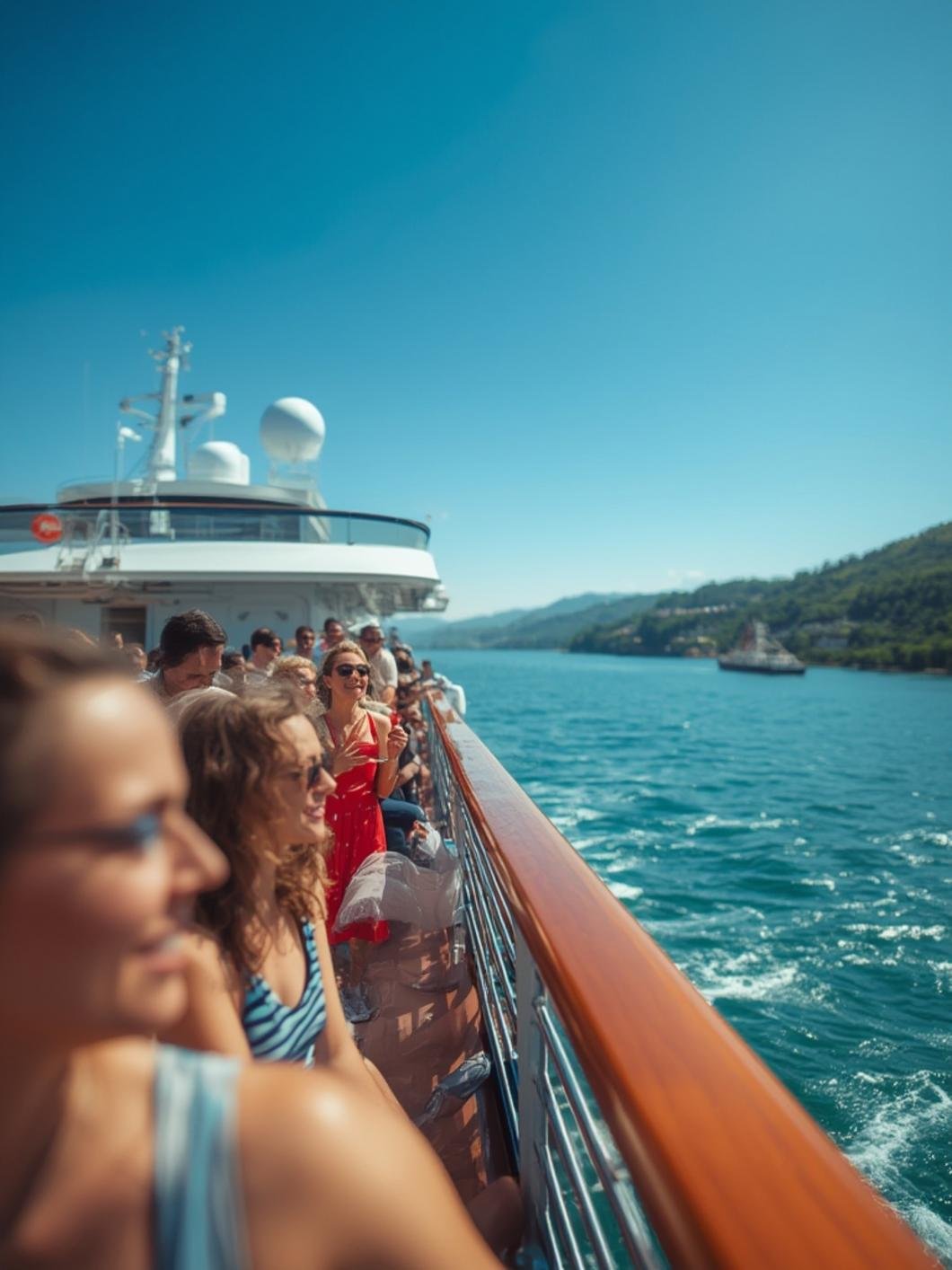
1. Research waterways and regions: Decide whether you’re drawn to the castle-lined Rhine, the vineyard-rich Danube, or perhaps the less-traveled Seine or Douro. Each River cruise has a distinctive character and highlights.
2. Select your cruise line: Companies range from budget-friendly to ultra-luxury. Viking, AmaWaterways, Avalon, and Uniworld are among the most respected providers of European river cruise experiences, each with their own specialties.
3. Choose your cabin carefully: Unlike ocean ships, river vessels have no interior cabins. Consider splurging for a balcony to enjoy private scenic viewing.
4. Review included excursions: Most river cruises include daily tours, but premium experiences may cost extra. Pre-book popular options that might sell out.
5. Monitor water levels: River cruising is weather-dependent, and extreme conditions might require itinerary adjustments. Purchase travel insurance that covers disruptions.
6. Pack strategically: Cabins are smaller than ocean cruise accommodations, so efficient packing is essential.
7. Prepare for independent exploration: Research each port to identify places you want to visit beyond the included tours.
Benefits / Advantages
River cruising offers unique advantages over other travel styles:
- Unpack once while visiting multiple destinations
- Intimate ships typically carrying 120-190 passengers
- Inclusive pricing (most include excursions, Wi-Fi, and drinks with meals)
- No seasickness concerns due to smooth river waters
- Direct access to city centers without long transfers
- Immersive cultural experiences through local guides
- Relaxed pace with scenic cruising between destinations
- Strong focus on regional cuisine and wine
- High crew-to-passenger ratios for personalized service
Tips, Alternative Options, or Cruise Advice
Consider these variations to enhance your river cruise experience:
- Theme cruises focusing on wine, classical music, or holiday markets offer deeper subject immersion
- Newer ships feature innovative designs like full balconies and panoramic windows
- Shoulder season (April/October) offers better rates and fewer crowds
- Pre/post-cruise extensions allow deeper exploration of gateway cities
- Active cruises with hiking and biking options appeal to more adventurous travelers
- Family-focused departures during summer include programming for younger travelers
Common Mistakes to Avoid
- Overpacking: Cabin storage is limited, and casual dress is the norm outside dinner.
- Ignoring mobility requirements: European towns often feature cobblestone streets and steps.
- Missing pre-cruise documentation: Some cruise lines require online check-in and excursion selections weeks before departure.
- Skipping travel insurance: River conditions can necessitate last-minute itinerary changes.
- Arriving same-day: Flight delays could cause you to miss embarkation.
Storage / Maintenance Tips
Maximize your cruise experience with these organizational strategies:
- Use the ship’s daily program to plan each day efficiently
- Store documents in the cabin safe but keep digital copies accessible offline
- Maintain a small emergency kit with medications and essentials in your daypack
- Consider a travel app like TripIt to organize confirmation numbers and details
- Preserve memories by journaling daily highlights or creating a digital photo book
Conclusion
A River cruise offers the perfect balance of structure and freedom, allowing you to experience multiple destinations while enjoying the comfort of a floating boutique hotel. From the cultural riches of a European river cruise to the hassle-free travel experience, this style of travel continues to win over travelers seeking depth rather than breadth in their journeys. Whether you’re a seasoned cruiser or first-timer, the intimate scale and cultural immersion make river cruising an unparalleled way to experience Europe’s historic waterways. Ready to embark on your own river adventure? Start planning today and discover why river cruising has become the fastest-growing segment of the travel industry!
FAQs
When is the best time for a European river cruise?
Late spring (May-June) and early fall (September) offer pleasant temperatures, fewer crowds, and optimal water levels. Christmas market cruises in December provide a festive alternative experience.
Do I need to speak foreign languages for a river cruise?
No, English is widely spoken on all major river cruise lines, and excursions include English-speaking guides. Learning a few basic phrases in local languages is appreciated but not necessary.
How dressy are river cruises?
River cruises are generally casual, with slightly more formal attire (smart casual) for dinners. Most don’t require formal wear, though some include a captain’s dinner where dressier attire is appropriate.
Will I have free time in ports?
Yes, while included excursions are offered daily, you’re free to explore independently. Ships typically dock close to town centers, making self-guided exploration easy.
Are river cruises good for travelers with mobility issues?
This varies by ship and destination. Newer vessels often include elevators, but many European towns feature cobblestone streets and steps. Consult with your cruise line about specific accessibility needs before booking.