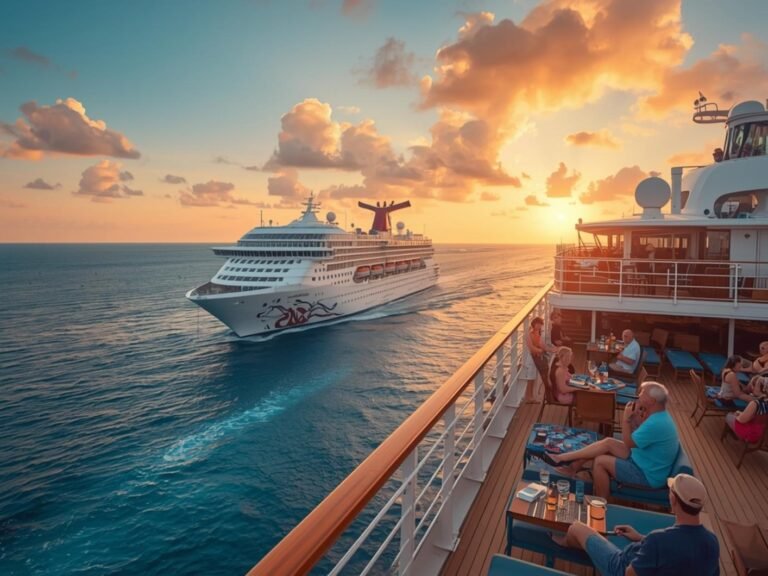
Quick way to grow cruise tourism with 7 easy methods
The Ultimate Guide to Planning Your First Cruise Adventure
Ever wondered what makes a floating vacation so special? Imagine waking up to a different horizon each morning, indulging in world-class dining without cooking a single meal, and exploring multiple destinations while unpacking just once.
Table of Contents
cruise tourism has revolutionized how we experience the world’s most beautiful coastlines and islands. Whether you’re seeking adventure or relaxation, a luxury cruise vacation offers unparalleled value and convenience that traditional travel simply can’t match. Let’s explore how you can plan the perfect maritime getaway that combines exploration, comfort, and unforgettable memories.
Materials & Supplies
Before setting sail, ensure you have these essentials packed and ready:
1. Travel Documents: Passport (with at least 6 months validity), boarding passes, cruise line app downloaded
2. Luggage: Main suitcase, day bag, and a waterproof bag for pool/beach days
3. Clothing: Formal wear for dinner nights, casual daytime clothes, swimwear, comfortable walking shoes
4. Toiletries: Motion sickness medication, sunscreen (reef-safe preferred), insect repellent
5. Electronics: Camera, phone, chargers, power strip (most cabins have limited outlets)
6. Miscellaneous: Cash for ports, cruise card lanyard, light jacket for evening deck walks
Timing / Cruise Schedule
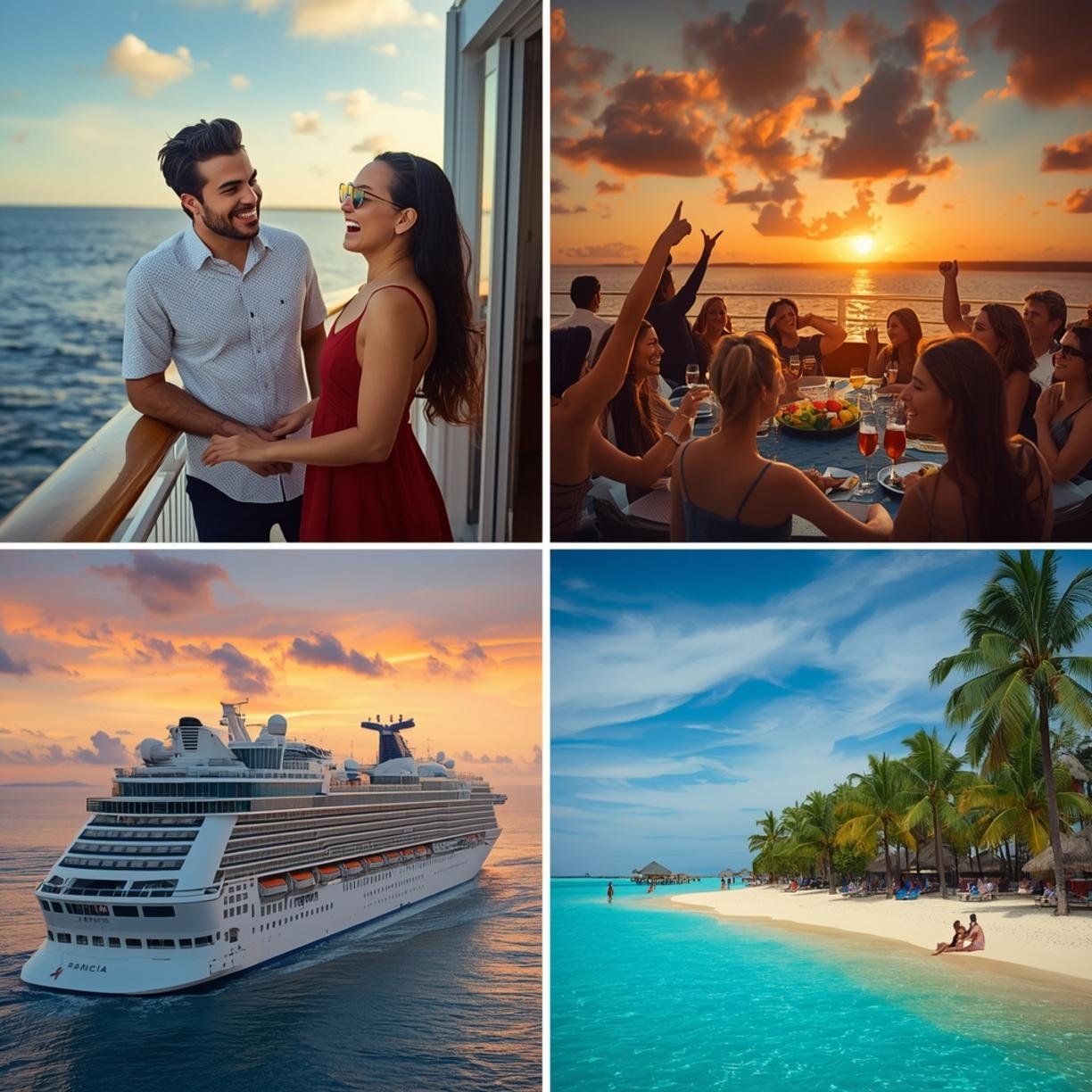
Most cruises follow a standard timeline that helps you plan accordingly:
– Booking: Secure your cruise 6-12 months in advance for best rates and cabin selection
– Embarkation Day: Arrive at the port 4-5 hours before departure (usually between 11am-4pm)
– Sea Days: Typically interspersed between port days, offering full days of onboard activities
– Port Days: Usually 6-8 hours in each destination (8am-5pm is common)
– Debarkation: Final morning departure requires vacating your cabin by 8-9am
Caribbean cruises typically last 7 nights, Mediterranean cruises 7-12 nights, and Alaskan cruises 7-14 nights, while trans-oceanic voyages may extend to 14+ nights.
Step-by-Step Instructions
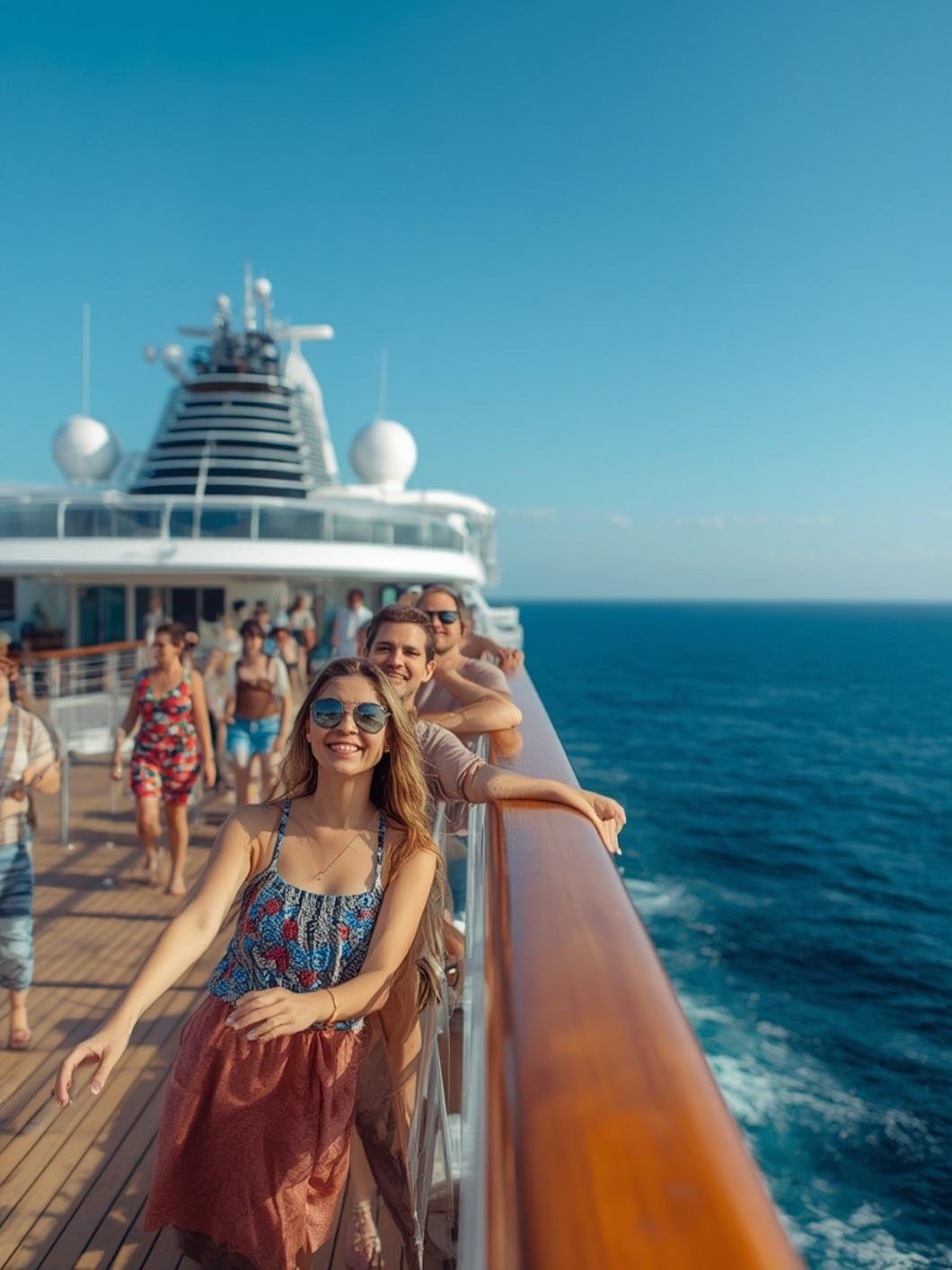
1. Research and Select Your Cruise: Compare cruise lines based on your travel style—family-friendly lines like Royal Caribbean offer adventure activities, while luxury cruise vacation providers like Cunard focus on refinement and elegance.
2. Book Your Cabin Strategically: Mid-ship locations minimize motion and offer convenient access to amenities. Balcony cabins enhance the cruise tourism experience but interior cabins provide significant savings.
3. Secure Dining Reservations Early: Most ships offer both fixed dining times and flexible options—reserve specialty restaurants immediately after booking.
4. Plan Port Activities Carefully: Book ship excursions for complicated or distant attractions; self-guided tours work well for walkable ports.
5. Pack According to Itinerary: Research weather patterns for your sailing dates and destinations; layer clothing for variable conditions.
6. Embark Efficiently: Arrive at your departure port a day early to avoid travel delays and board during your assigned window to minimize waiting.
Benefits / Advantages
The true value of cruise travel extends beyond the upfront price:
– All-inclusive convenience with accommodation, dining, entertainment, and transportation bundled
– Cost-effective way to sample multiple destinations without repeated packing and unpacking
– Access to remote locations often difficult to reach by conventional transportation
– Diverse activities catering to all ages and interests within one vacation
– Opportunity to socialize with fellow travelers or maintain privacy as desired
– Exceptional service standards with staff-to-guest ratios far exceeding land-based resorts
Tips, Alternative Options, or Cruise Advice
Consider these variations to customize your experience:
– River cruises offer intimate settings with deeper cultural immersion than ocean voyages
– Expedition cruises to Antarctica or the Galapagos provide unparalleled wildlife encounters
– Themed cruises cater to interests like culinary arts, music genres, or wellness
– Repositioning cruises between seasonal regions offer extended sea days at reduced rates
– Mini-cruises (2-4 days) provide perfect introductions for first-timers uncertain about seasickness
Common Mistakes to Avoid
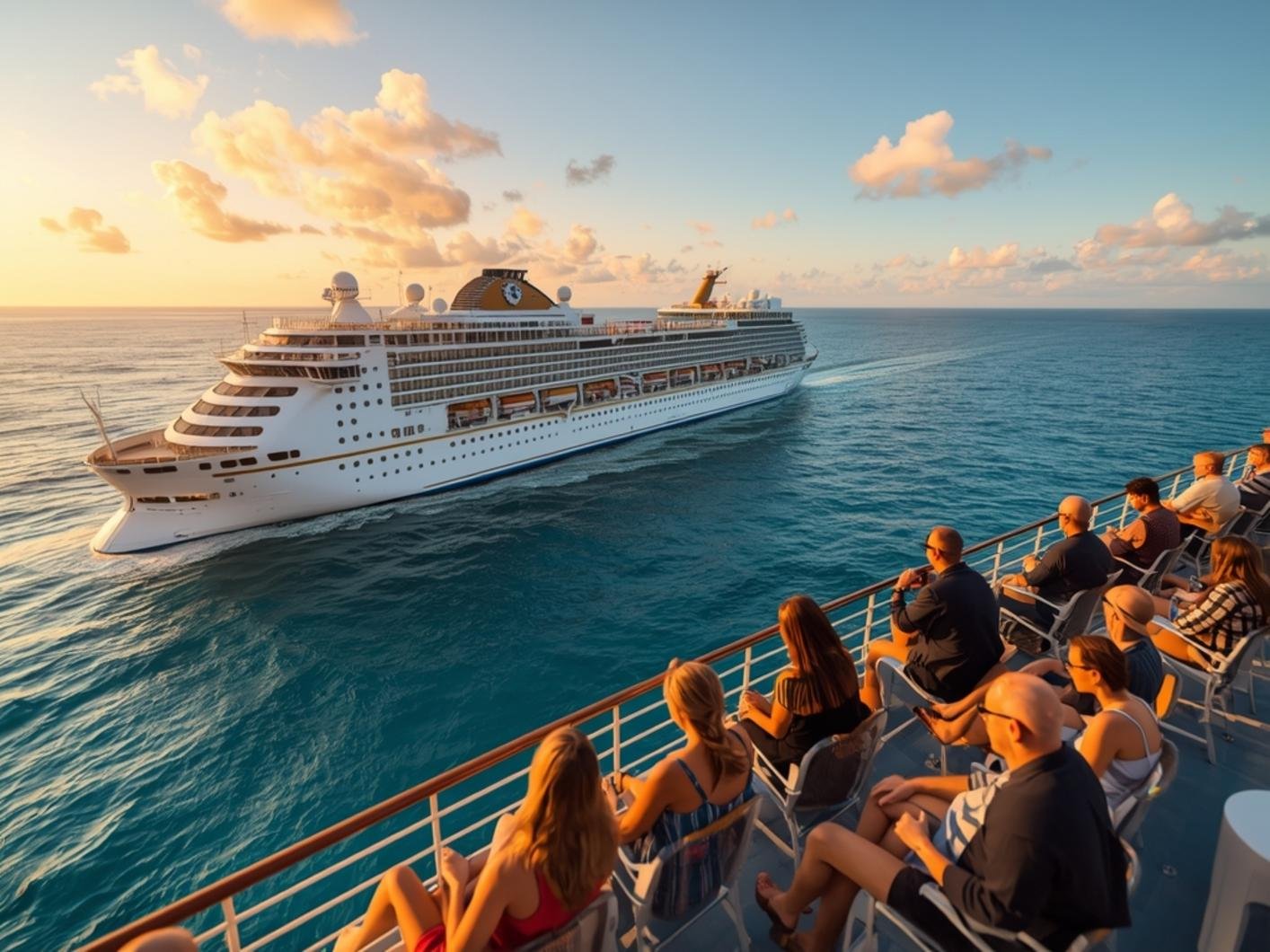
1. Overscheduling Port Days: Trying to see everything results in exhaustion—prioritize 1-2 key attractions per port
2. Ignoring Onboard Expenses: Drinks, specialty dining, and spa services can quickly exceed your base fare
3. Missing the Ship: Always return to port at least 60 minutes before the all-aboard time
4. Neglecting Travel Insurance: Medical emergencies at sea can be extraordinarily expensive
Storage / Maintenance Tips
Maximize your cruise experience with these organizational strategies:
– Store valuables in your cabin safe and keep a digital copy of important documents
– Maintain a daily budget for onboard spending using the cruise line’s app to track charges
– Organize port day essentials in a separate day bag for quick disembarkation
– Preserve cruise memories by journaling highlights or creating a digital photo album
Conclusion
From planning to disembarkation, the world of cruise tourism offers an unmatched combination of convenience, variety, and value. By following these guidelines, your luxury cruise vacation will deliver the perfect balance of adventure and relaxation. Remember that the best cruises blend structure with spontaneity—plan the essentials but leave room for unexpected discoveries. Ready to set sail? Share your upcoming cruise plans in the comments or browse our other travel guides for more inspiration!
FAQs
How much should I budget for gratuities on a cruise?
Most cruise lines charge $14-20 per person per day for crew gratuities, automatically added to your onboard account.
Do I need a passport for every cruise?
Closed-loop cruises from U.S. ports may accept birth certificates and photo ID, but a passport is strongly recommended for all international travel.
What’s the best strategy for avoiding seasickness?
Book a mid-ship cabin, stay hydrated, get fresh air, and consider over-the-counter medications or acupressure bands as preventative measures.
Can I bring my own alcohol onboard?
Most cruise lines prohibit bringing alcohol onboard, though many allow 1-2 bottles of wine per cabin with a corkage fee for consumption in dining venues.
How reliable is internet access on cruises?
Ship internet has improved dramatically but remains slower than land connections—purchase packages in advance for significant savings.